

Raw Material Costs and Beer Selection: Where Price Differences Begin
The underlying logic of contract brewing quotations begins with raw materials. The grade and origin of the four basic ingredients—malt, hops, yeast, and water quality—directly affect costs. In terms of malt, imported Australian and Canadian malt differs significantly in price from domestic malt, while more deeply roasted specialty malts (such as caramel malt and black malt) cost more than base malt due to their more complex processing. Regarding hop selection, the price difference between whole-cone and pellet hops, as well as between standard hops and aroma hops (such as Saaz and Cascade), can reach several times, and aroma hops are typically added only during specific stages, resulting in a higher loss rate.
The addition of functional ingredients is another key factor in cost variation. Taking hyaluronic acid beer as an example, food-grade hyaluronic acid is relatively expensive and must be added at a specific temperature and pH value to maintain its activity. This requires additional process control and stability testing, which indirectly increases R&D and quality-control costs. Oyster peptide beer, meanwhile, must address the solubility of peptide substances in the beer and their flavor compatibility, often requiring multiple small-scale trials to adjust the formula. These hidden costs are reflected in the final contract brewing quotation. By comparison, classic beer styles such as German wheat beer use mature raw materials and stable processes, making contract brewing costs relatively controllable.
It is worth noting that the raw material procurement cost for the same beer varies across different order volumes. Orders at the scale of 10,000 tons can lock in upstream raw material prices, while small-batch customization is less likely to gain bargaining advantages. This is one of the core reasons why order volume affects the overall quotation.
Process Complexity and Depth of Customization: The Main Sources of Hidden Costs
The process chain for craft beer contract brewing is longer than that of industrial beer, and adding or removing any process step changes the cost structure. Fermentation temperature, time, pressure curves, and whether special processes such as dry hopping, cold steeping, and tank transfer are used directly affect production cycles and equipment utilization. Dry hopping requires additional hop separation equipment and labor, and extends the fermentation cycle by 7-14 days. This means that the same equipment produces fewer batches within the same period, naturally increasing the depreciation and labor costs allocated to each unit of product.
Formula development is another easily underestimated aspect. Mature formulas available on the market can be used directly, but creating differentiated selling points—such as low-alcohol, zero-sugar, zero-fat, or prebiotic-added products—requires systematic R&D, from strain selection and mashing-process adjustments to fermentation endpoint control. Every formula adjustment must be validated through three stages: small-scale trials, pilot trials, and scale-up production. Raw material losses, testing fees, and quality-control labor hours involved in these stages all need to be covered in the contract brewing quotation. The value of the more than 300 mature beer formulation processes developed by Yangchun Beer lies in substantially shortening the cycle from concept to implementation and reducing trial-and-error costs during R&D.
Label compliance review is often overlooked, yet it can become an area with a high incidence of rework. Different channels (e-commerce, supermarkets, foodservice, and export) have different requirements for label content, especially regarding details such as ingredient list order, wording of functional claims, and nutrition labeling. If compliance review is not conducted in advance and label issues are only discovered after mass production, the cost of reprinting packaging materials and relabeling will directly increase overall procurement expenses. Therefore, conducting label review in advance and incorporating it into the contract brewing service process is an effective way to control hidden costs.
Packaging Specifications and Materials: The Cost Gap from “Kegs” to “Bottles”
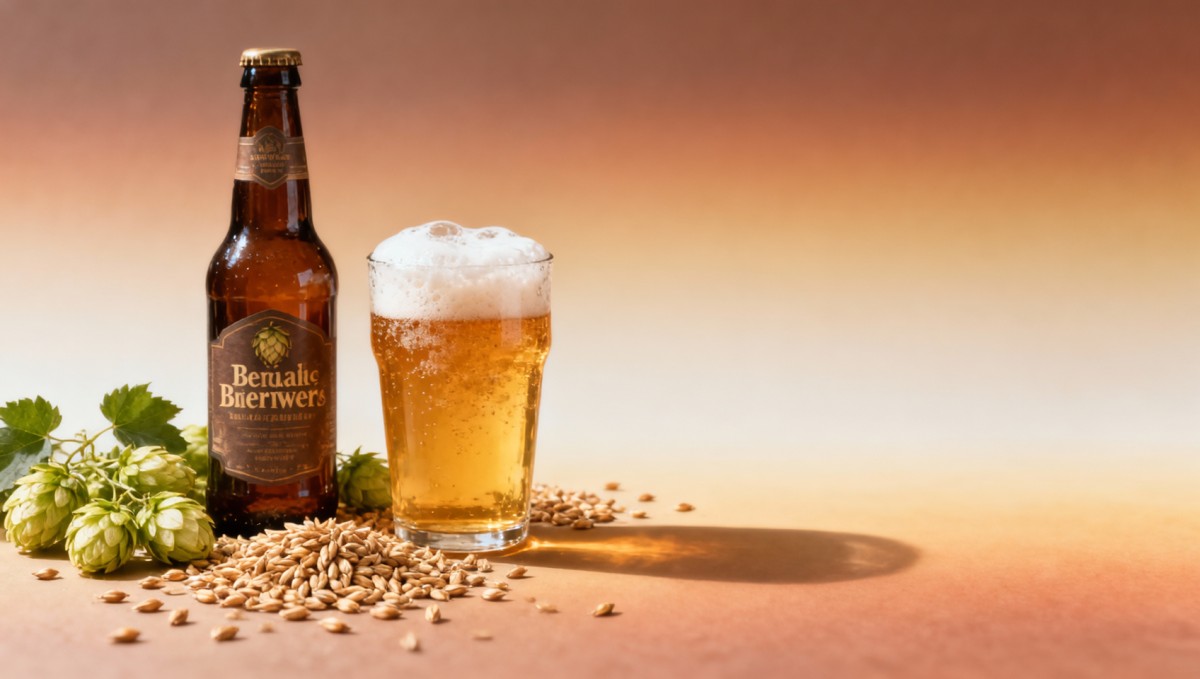
Packaging is the second-largest component of contract brewing costs after raw materials, and cost differences among various specifications are distributed in tiers. Can lines are highly automated and have low per-unit filling costs, but can-opening fees, customized printing plate fees, and minimum order quantity requirements are relatively high. For small-batch orders, the packaging cost allocated to each can may instead be high. Glass bottle lines incur different costs due to differences in bottle shape (long-neck bottles, short wide bottles, and shaped bottles) and cap type (crown caps, screw caps, and aluminum caps). The washing, filling, and labeling speeds for shaped bottles are generally lower than for standard bottle types, reducing production efficiency and increasing allocated costs.
Aluminum bottles and tinplate kegs belong to premium packaging lines. The materials themselves have high unit prices, and their filling equipment is not interchangeable with standard lines, resulting in line-change costs and equipment depreciation. These packaging types are mostly used for gift channels or foodservice settings, where appearance design and texture requirements are higher. The selected printing process (screen printing, hot stamping, or labeling) also affects the final unit price. PET kegs are commonly used for bulk beer of 20 liters or more. Although the keg body is recyclable, the energy and labor costs of cleaning and sanitization must be considered, while keg sealing performance and pressure resistance are directly related to transportation loss rates.
The cost logic for small-batch flexible customization and large-volume orders differs entirely in the packaging stage. For orders starting from 1 keg, packaging materials often need to be allocated from general inventory, or additional cutting, printing, and logistics fees must be paid. Orders at the scale of 10,000 tons, however, can directly commission packaging manufacturers to produce dedicated molds, reducing the unit packaging-material cost at the source. This is also why quotations for the same beer can differ by more than 30% between small and large orders—the different allocation base for packaging costs is an important reason.
Order Volume and Production Scheduling: Economies of Scale and Flexibility Costs
The impact of order volume on contract brewing prices is reflected at multiple levels. First is bargaining power in raw material procurement: large orders can lock in raw material prices and secure longer payment terms, whereas small orders can only purchase at current market prices. Second is production line utilization. If the order volume is insufficient to fill a complete production schedule for one line, the idle cost of remaining capacity is allocated to that order, increasing the unit cost. Yangchun Beer has 16 production lines and can flexibly allocate them based on order size, enabling orders of different scales to find relatively suitable capacity combinations and avoiding cost waste caused by using a large production line for a small order.
Production scheduling is also a variable that affects price. During peak seasons (such as summer and before the Spring Festival), production lines are busy, and expedited orders must displace existing schedules, usually resulting in rush fees. Orders placed in the off-season may receive more favorable quotations because factories need to fill capacity to spread fixed costs. For buyers without strict delivery deadlines, negotiating off-season production scheduling with a contract manufacturer is an effective strategy for reducing overall costs.
Warehousing and logistics are likewise affected by order volume. Small-batch orders typically use less-than-truckload logistics, resulting in high per-unit transportation costs; large-volume orders can be shipped by full truckload, significantly reducing freight allocated to each case. In addition, the advantage of multi-regional production layouts (such as in Shandong, Qinghai, and Hainan) lies in local delivery, shortening transport distances and reducing the risk of losses. Part of these savings can sometimes be passed on to customers through more flexible quotations.
Qualification Certifications and Quality Control Investment: The Hard Threshold of Hidden Costs
Contract brewing prices also include allocated costs for the quality-control system. The maintenance of qualifications such as the SC production license, ISO9001 quality management system, HACCP hazard analysis and critical control point certification, and export food filing involves regular audits, quality-system document updates, staff training, and investment in testing equipment. These expenses do not appear directly in individual order quotations, but are indirectly allocated to all contract brewing orders through the factory’s regular operating costs. The completeness of these qualifications determines whether a contract manufacturer can undertake export orders or meet market-entry requirements for specific channels (such as large supermarkets and chain foodservice businesses), and indirectly affects the scope of the buyer’s subsequent market expansion.
The scale and professional capabilities of the quality-control and R&D team are another source of hidden costs. A mature R&D team can respond quickly to formula adjustment requirements, reduce the number of trial-and-error batches, and shorten development cycles. An inexperienced team, on the other hand, may waste time and raw materials through repeated trials, and these costs will ultimately be passed on in the contract brewing quotation. The industry association standards for zero-sugar zero-fat beer and fructooligosaccharide beer led by Yangchun Beer reflect a certain degree of operational depth in its R&D and quality-control system. For buyers, this means lower compliance risks and more stable product consistency.
It is also worth noting that the number and frequency of testing items in quality-control procedures affect contract brewing costs. Routine physicochemical testing indicators (original wort concentration, alcohol content, carbon dioxide content, color, and bitterness units) have lower costs, while specialized tests such as microbiological testing, pesticide residue testing, plasticizer testing, and functional ingredient content testing are more expensive. If the buyer has special testing requirements for the product, it is necessary to confirm in advance whether the required tests are included in the standard service scope to avoid additional costs later.
Comprehensive Assessment: How to Turn Price Factors into Decision-Making Criteria
A contract brewing quotation is not an isolated price figure, but a function of multiple variables, including the beer, process, packaging, order volume, production schedule, and quality-control requirements. When evaluating options, buyers need to break down their needs into quantifiable parameters: Should the beer style be a basic or functional product? Should the packaging use standard bottles or customized aluminum bottles? Is the order volume 3000 cases or 30000 cases? Is the delivery period in the off-season or peak season? Only by incorporating these parameters into the contract manufacturer’s capacity model can a realistic quotation range be obtained.
Another frequently overlooked point is the balance between “minimum order quantity” and “flexibility.” Some contract manufacturers set high minimum order quantities in order to reduce changeover costs, but this is not friendly to small-batch buyers in the market-testing stage. Yangchun Beer supports flexible customization starting from 1 keg, meaning that buyers can first validate market response at a low cost and then scale up orders based on sales data. This “small steps, rapid progress” model can effectively reduce inventory risks and capital tie-up; its value should not be measured simply by the price per keg.
When making decisions, buyers should also consider whether the contract manufacturer offers beer sample tasting services. Tasting can help avoid potential issues with taste, flavor, and stability before placing an order, preventing rework caused by issues discovered after mass production. Free sample application services enable buyers to compare multiple beer options side by side before officially placing an order, allowing them to select the combination with the best match between cost and quality.
Overall, the formation of Yangchun Beer’s contract brewing prices is the result of multiple interrelated factors. Buyers need to consider their current stage (market testing stage/scale expansion stage/stable supply stage), as well as the product requirements of their target channels (foodservice/supermarkets/gifts/export), and comprehensively evaluate each cost component in order to make procurement decisions that better meet their actual needs. Price itself is not the only criterion; the matching quality assurance, delivery stability, and after-sales service support should likewise be included in the decision-making framework.